Forests, Water, & Risk
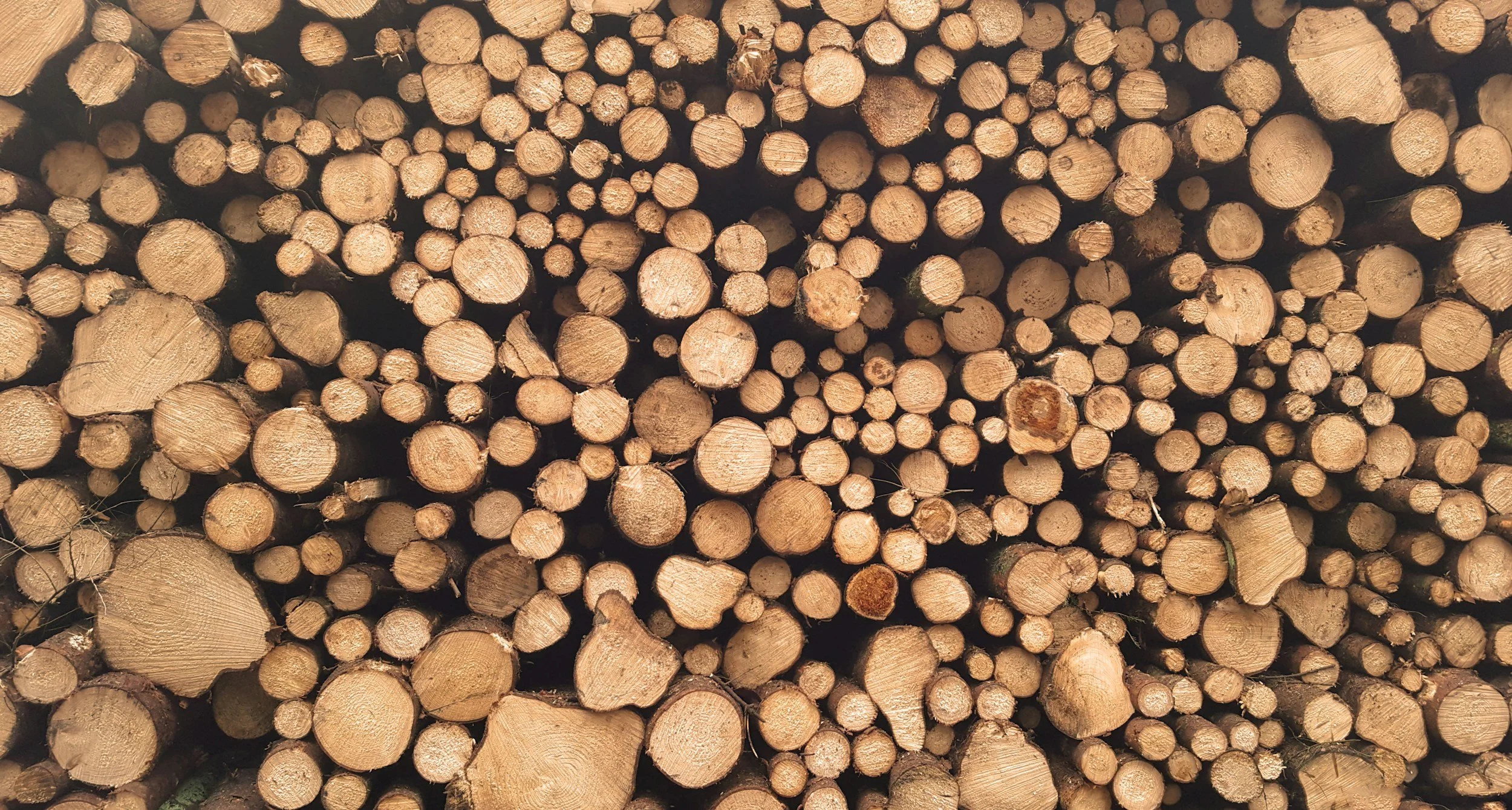
Research in the Forests, Water, and Risk area focuses on how forest conditions and management decisions translate into economic risks and decision challenges for water systems. The lab examines how wildfire, climate variability, and land-use change affect drinking water reliability, treatment costs, and long-term system performance, with the goal of clarifying trade-offs that shape planning, investment, and risk management decisions.
Economic analysis in this work is used to support prioritization and resource allocation under uncertainty. Rather than emphasizing valuation as an end in itself, projects are designed to produce decision-relevant evidence that is transparent, defensible, and usable in real planning and investment contexts.
Projects in this research area are shaped by applied questions such as:
How do forest conditions and management decisions translate into economic risk for drinking water systems and public infrastructure?
How can economic evidence be used to support planning and investment decisions when data are imperfect, and uncertainty is unavoidable?
How do wildfire, climate variability, and land-use change alter trade-offs across locations and over time, and how should those trade-offs be interpreted by decision-makers?
Applied Research Questions
Projects